history of science
12 items
Satoshi - The Story of Bitcoin
Le Mystère Satoshi, aux origines du Bitcoin
At the beginning of 2009, in the midst of the financial crisis, "Satoshi Nakamoto" put Bitcoin into circulation. He created the first decentralised and reliable cryptocurrency. In 2011 he disappeared. The Mystery of Satoshi tells the exciting history of Bitcoin and blockchain technology, from the perspective of its mysterious creator.
End of Innocence
Ende der Unschuld
End of Innocence is a two-part television film that focuses on the work of the German Uranium Association during World War II. At Farm Hall in England, the ten German nuclear scientists interned there as part of Operation Epsilon learn of the dropping of the first atomic bomb on Hiroshima in August 1945. In flashbacks, the development of the German uranium project is recapitulated chronologically from the discovery of nuclear fission by Otto Hahn to the work of Kurt Diebner at the Heereswaffenamt to the experiments of the Kaiser Wilhelm Institute for Physics under Werner Heisenberg and Carl Friedrich von Weizsäcker at the Haigerloch research reactor in spring 1945.
The Secrets of Quantum Physics
Professor of physics Jim Al-Khalili investigates the most accurate and yet perplexing scientific theory ever - quantum physics.
The Bomb
Using masterfully restored footage from recently declassified images, The Bomb tells a powerful story of the most destructive invention in human history. From the earliest testing stages to its use as the ultimate chess piece in global politics, the program outlines how America developed the bomb, how it changed the world and how it continues to loom large in our lives. The show also includes interviews with prominent historians and government insiders, along with men and women who helped build the weapon piece by piece.
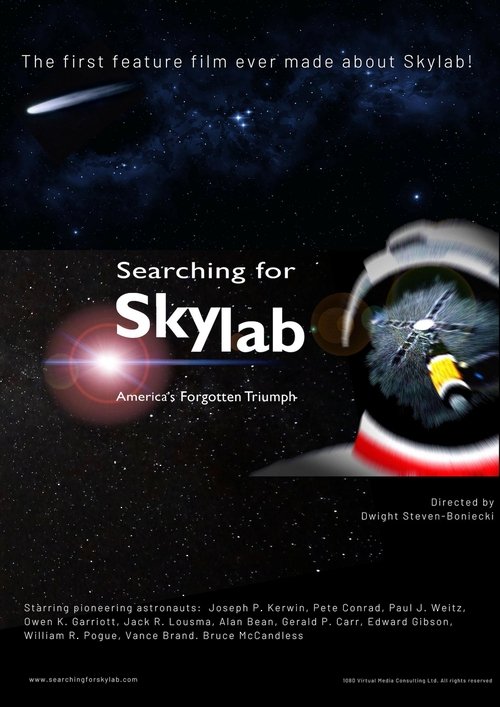
Searching for Skylab, America's Forgotten Triumph
The first American space station Skylab is found in pieces scattered in Western Australia. Putting these pieces back together and re-tracing the Skylab program back to its very conception reveals the cornerstone of human space exploration.
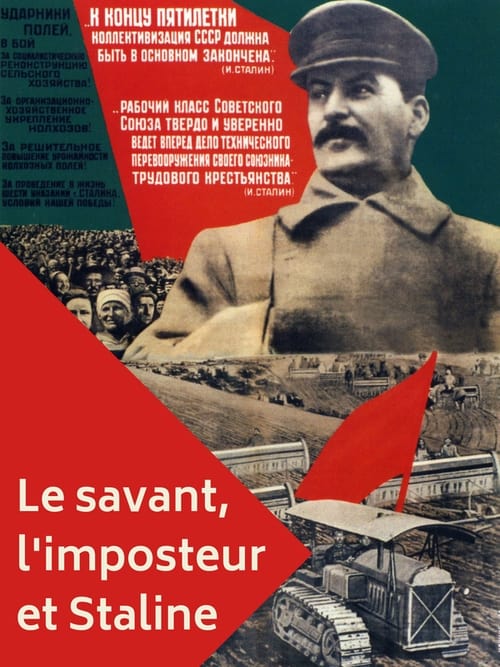
The Scientist, The Imposter and Stalin: How to Feed the People
Le savant, l'imposteur et Staline : Comment nourrir le peuple
The documentary tells two very different human fates in the 1920s Soviet Union. Nikolai Vavilov was a botanical genius, Trofim Lyssenko was an agronomist who made great promises and fake inventions. Each of them tried to solve the country's nutritional problem, but only one succeeded.
Galileo Galilei - Urknall der modernen Physik

Auf Messers Schneide - Eine Geschichte der Chirurgie
The documentary tells the exciting story of the beginnings of surgery through to its specialization - a fascinating journey through time from the Stone Age with the first skull openings through antiquity and the early modern era to the first heart operation. The film was shot at the most important locations in the history of surgery - including Italy, France, Germany, Austria, Great Britain, Hungary and the USA. The film contains fascinating and partly unpublished archive material.
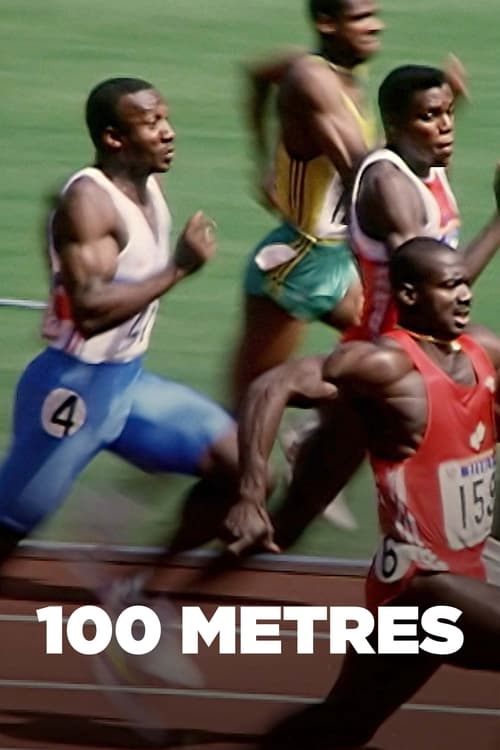
L'Épreuve du 100 mètres
Pushing the limits of the human race: that is what runners aspire to when they take to the Olympic 100-meter track every four years. But for Usain Bolt, the record holder for the distance with his explosive 9.58 seconds, to become the fastest sprinter in history, crossing the finish line at some 44 km/h, it took more than a century of technical refinement. From the early days of sprinting to Usain Bolt's records, directors Jean-Christophe Rosé and Benoît Heimermann trace the history of the 100 meters, the flagship event of the Olympic Games, and its champions.
Die Bio-Revolution - Die Karriere der ökologischen Landwirtschaft
Bachelard parmi nous ou l'héritage invisible
Cyclotron
A film about the world's oldest functional particle accelerator and the people who keep it running today.